
The best digital marketing Tools: Every marketer should know
In the world of digital marketing, having the right tools can make all the difference. With the landscape constantly evolving, marketers need to stay up-to-date with the latest tools that can help them manage campaigns, analyze data, optimize content, and engage with customers more effectively. Here are some of the best digital marketing tools that every marketer should learn to excel in their campaigns.
Google Analytics:
One of the most essential tools for any digital marketer is Google Analytics. This tool helps you track and understand your website traffic, offering insights into user behavior, traffic sources, and conversion rates. By understanding how users interact with your website, you can make data-driven decisions to improve performance. Google Analytics also allows you to set goals, track campaigns, and measure the effectiveness of your marketing strategies.
SEMrush:
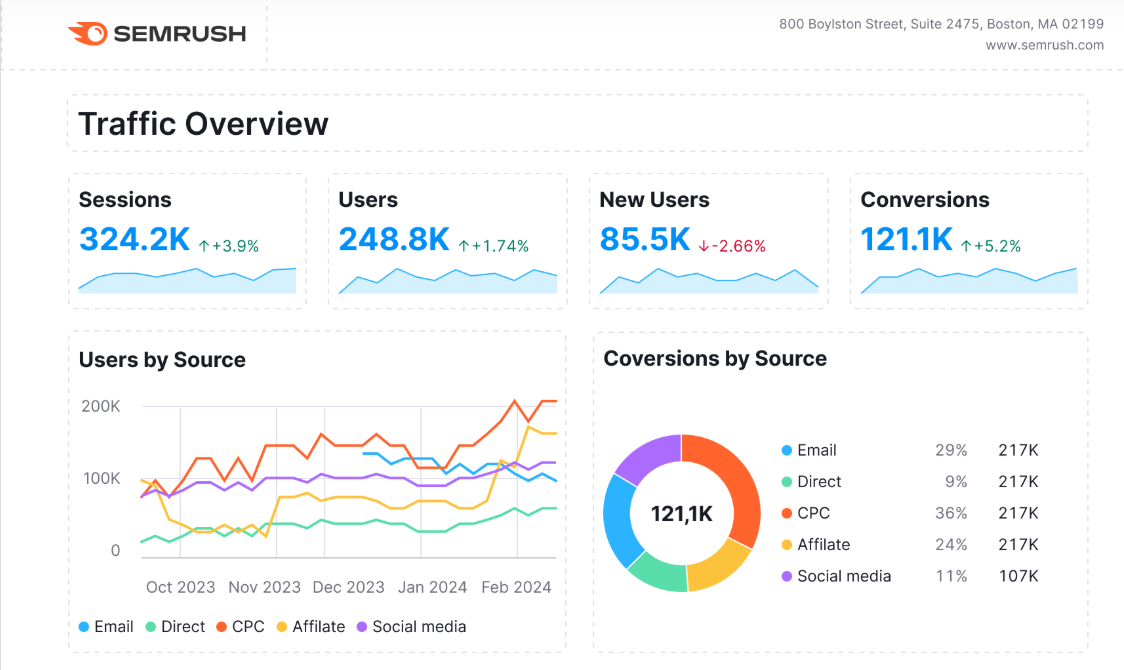
SEMrush is an all-in-one SEO and digital marketing tool that provides marketers with a wide range of features. It’s great for keyword research, competitor analysis, backlink auditing, and rank tracking. SEMrush also offers tools for PPC (Pay-Per-Click) campaigns and social media monitoring. With its comprehensive suite of tools, SEMrush is ideal for marketers looking to improve their search engine rankings and optimize their online visibility.
Ahrefs:
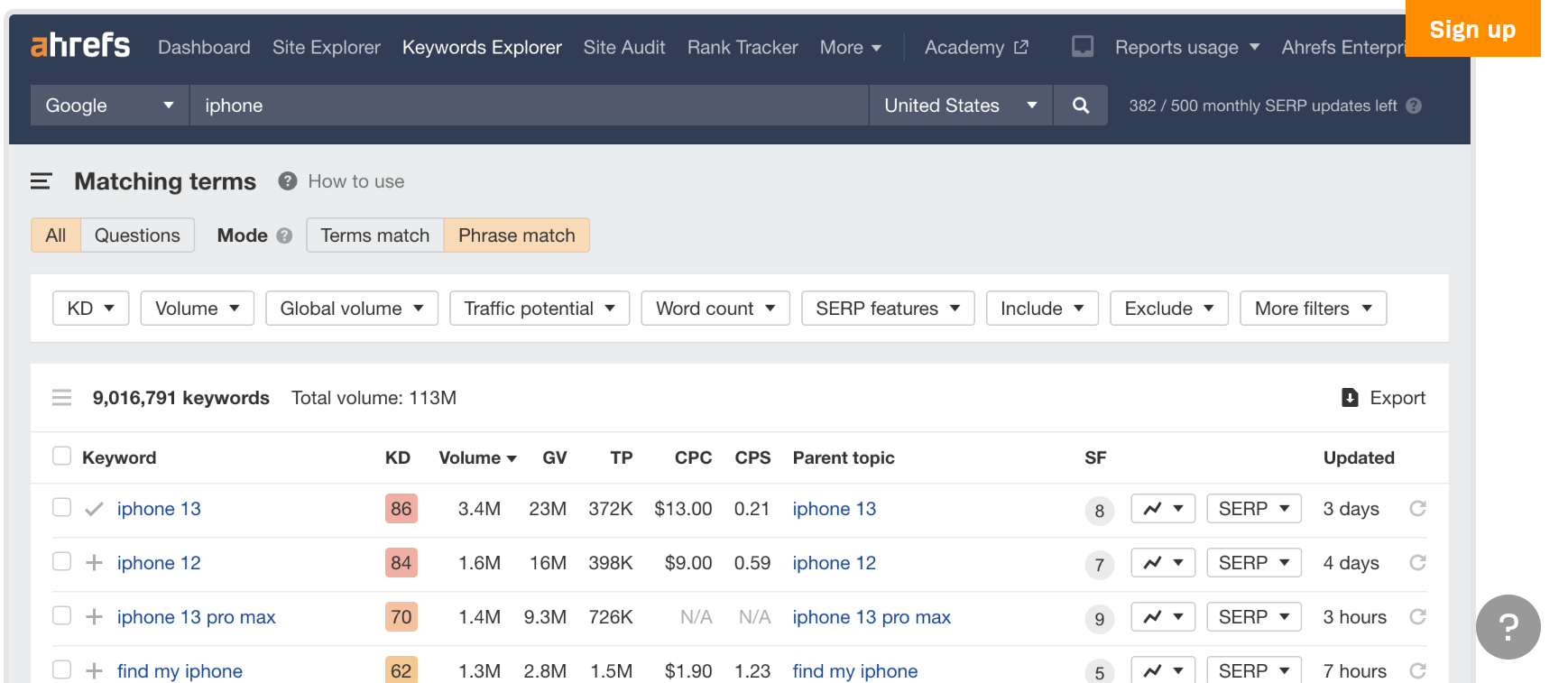
Another popular tool for SEO is Ahrefs. It’s widely used for backlink analysis, keyword research, and competitive analysis. Ahrefs helps marketers find valuable keywords, track rankings, and explore top-performing content in their niche. The tool’s site audit feature also helps identify SEO issues and provides recommendations for improving website performance.
Hootsuite:
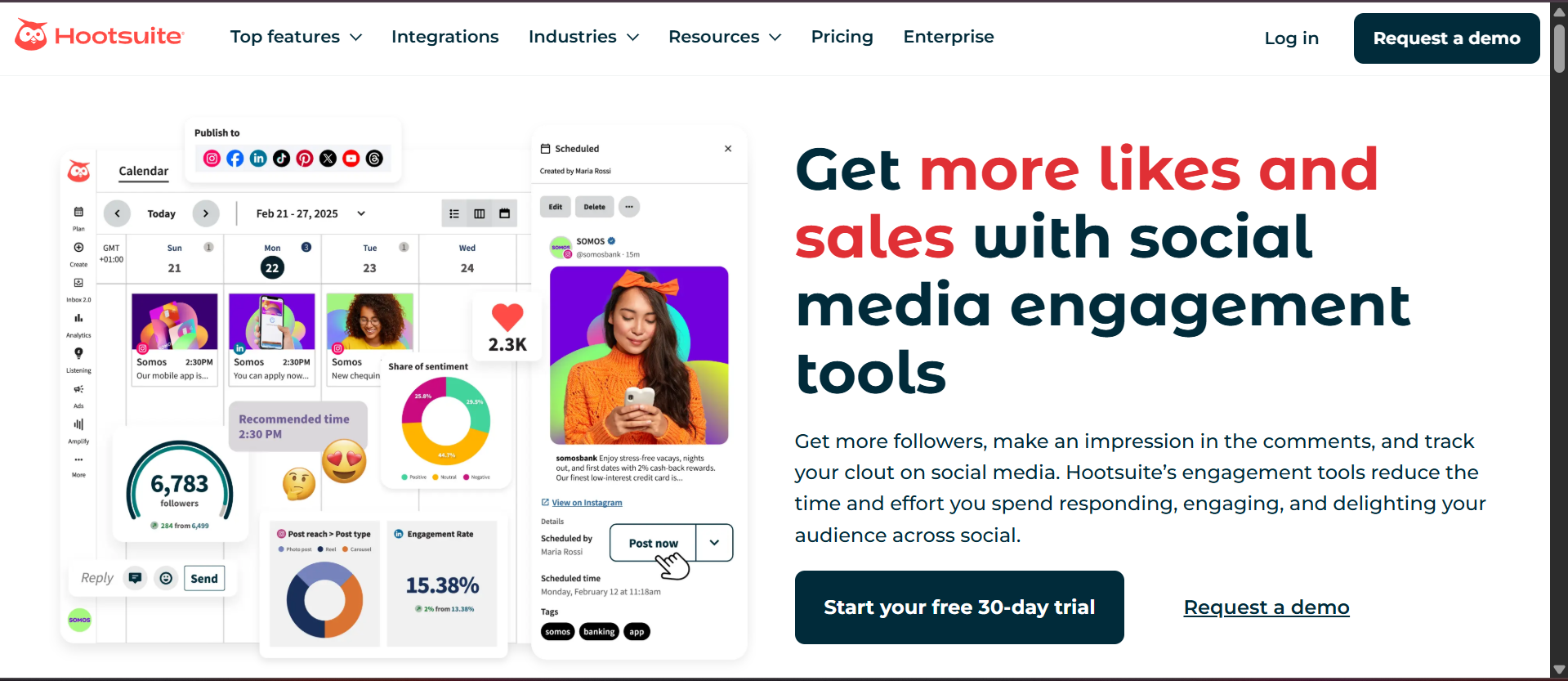
Social media management can be overwhelming, especially when dealing with multiple platforms. Hootsuite is a social media management tool that allows marketers to schedule posts, track engagement, and manage multiple accounts from a single dashboard. It also provides analytics that help you understand how your content is performing across different social media channels.
Buffer:
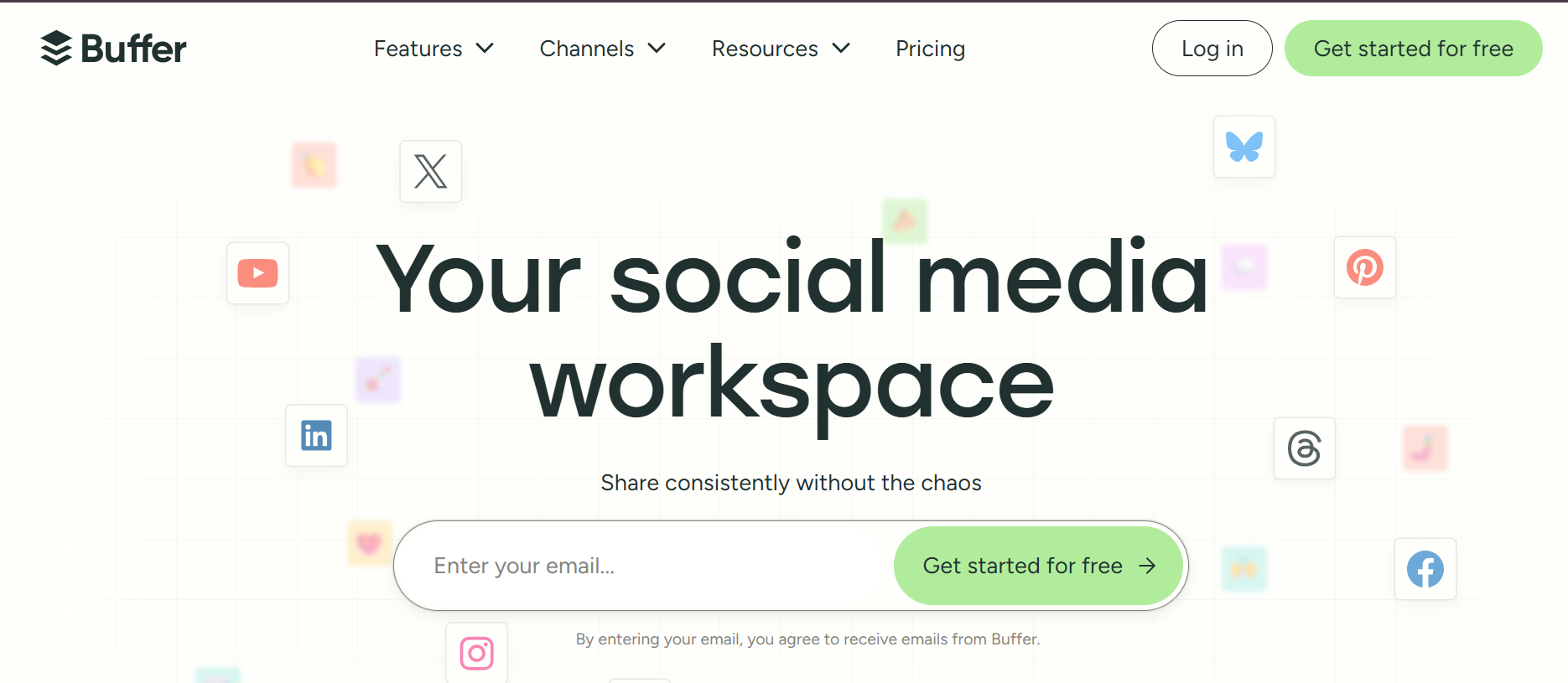
Like Hootsuite, Buffer is another social media management tool that simplifies the process of scheduling posts and managing campaigns. With Buffer, you can plan and publish content on platforms like Facebook, Instagram, Twitter, and LinkedIn. It also offers analytics that show how your audience is engaging with your content, allowing you to fine-tune your social media strategy.
Canva:
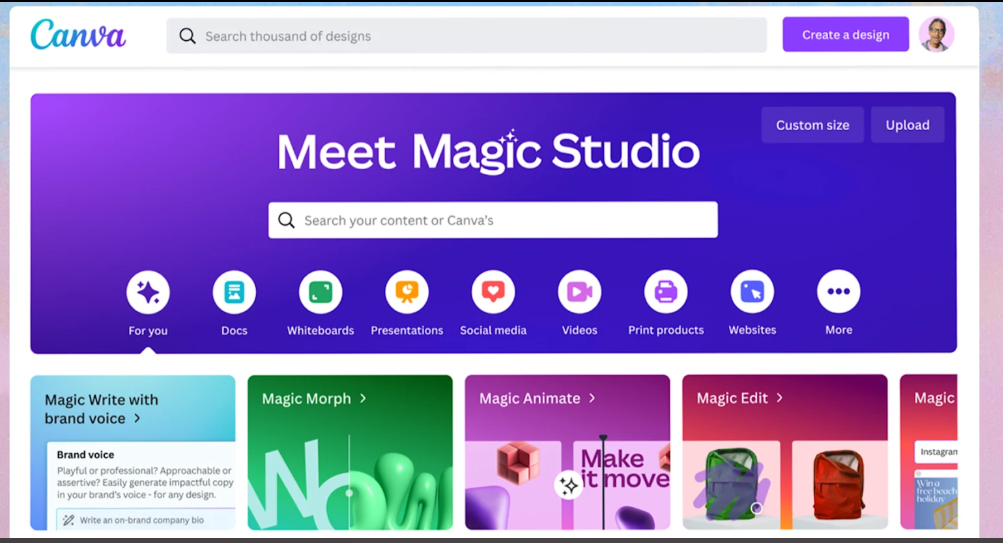
Visual content plays a crucial role in digital marketing, and Canva is one of the best tools for creating professional-looking graphics, presentations, and social media posts. Canva is easy to use, even for those without design experience. It offers a variety of templates, fonts, and images that marketers can use to create visually appealing content that resonates with their audience.
Mailchimp:
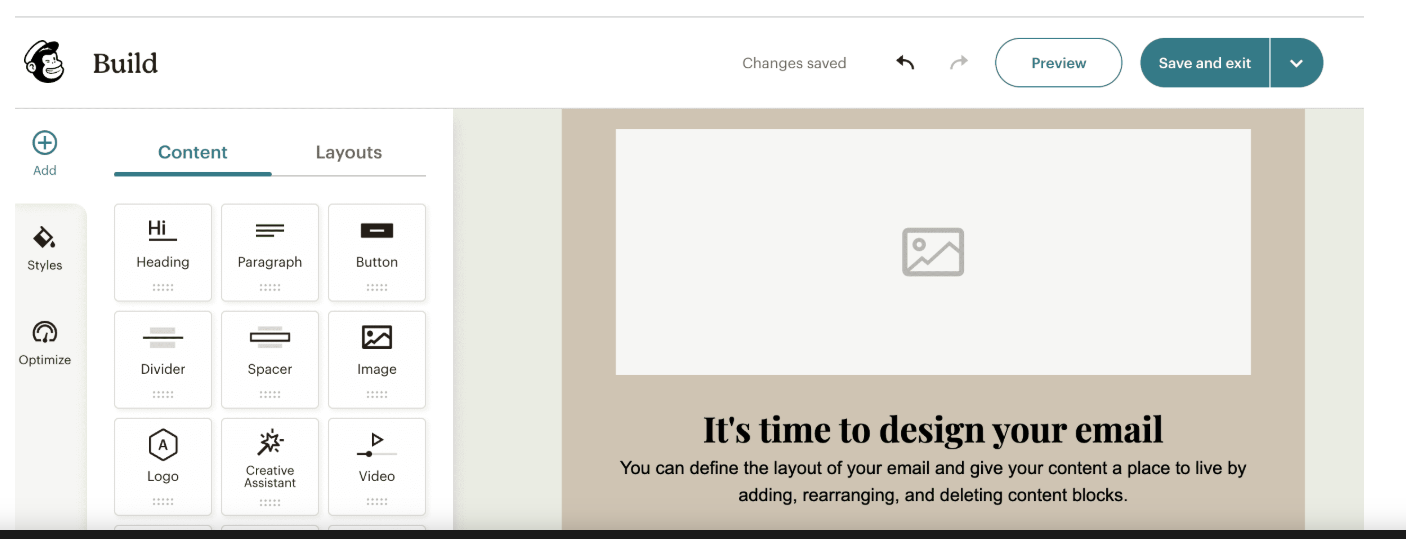
Email marketing remains one of the most effective ways to reach customers, and Mailchimp is a tool that makes email marketing simple. It offers easy-to-use templates for creating email campaigns, audience segmentation, and automation features. Mailchimp’s analytics tools also provide insights into open rates, click-through rates, and subscriber engagement, helping marketers optimize their email campaigns.
Moz:
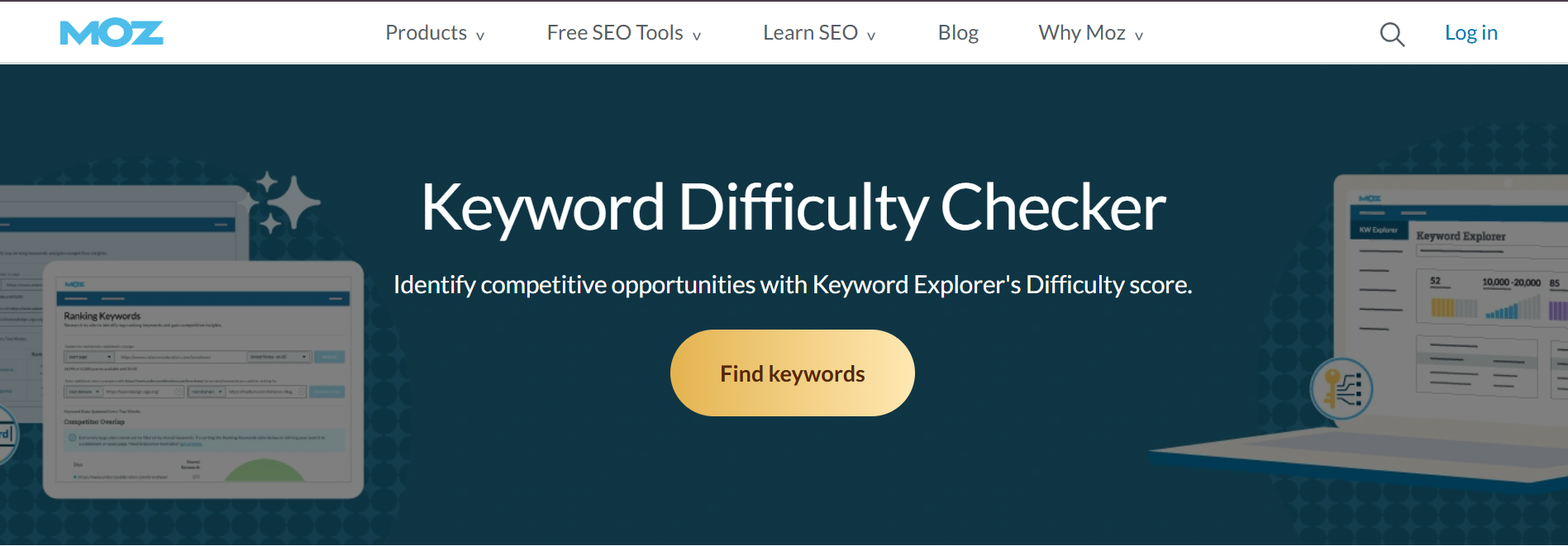
Moz is another powerful SEO tool that helps marketers improve their search engine visibility. It offers keyword research, link-building tools, and site audits to help identify SEO issues. Moz also provides a Chrome extension, MozBar, that allows marketers to analyze the domain authority and page authority of any website. The tool is widely used for on-page optimization and competitor analysis.
Trello:
Managing digital marketing projects requires organization, and Trello is a project management tool that helps teams stay organized. It uses a card-based system where marketers can assign tasks, set deadlines, and track progress. Trello is great for collaboration, allowing team members to share files, communicate, and work together on campaigns in real-time.
HubSpot:
HubSpot is an all-in-one inbound marketing, sales, and customer service platform. It offers a suite of tools for content creation, social media management, email marketing, and lead generation. HubSpot’s CRM (Customer Relationship Management) system helps marketers manage customer data, track interactions, and create personalized marketing campaigns. Its marketing automation features also allow businesses to nurture leads and move them through the sales funnel more effectively.
Google Ads:
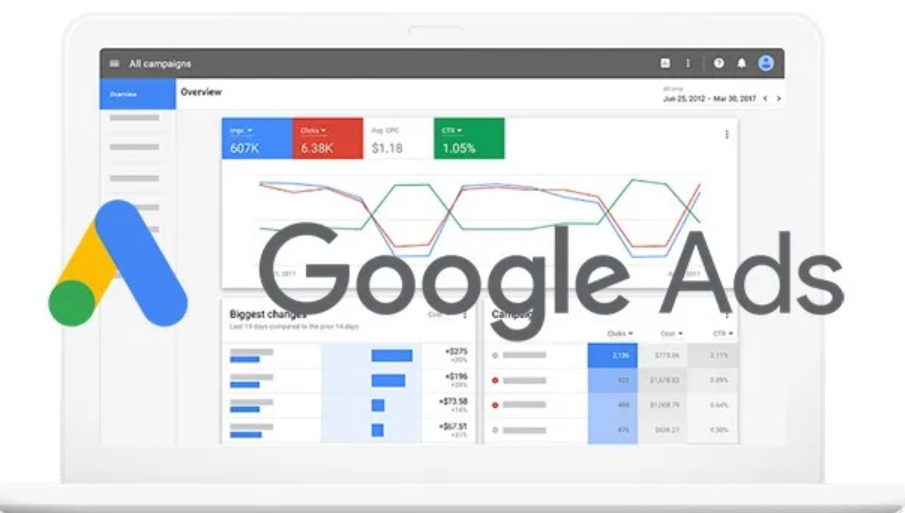
For marketers looking to run paid search campaigns, Google Ads is the go-to tool. It allows businesses to create ads that appear in Google’s search results, YouTube, and other platforms. Google Ads offers detailed targeting options, including demographics, location, and interests, which help marketers reach the right audience. It also provides performance metrics that show how campaigns are performing and where improvements can be made.
Sprout Social:
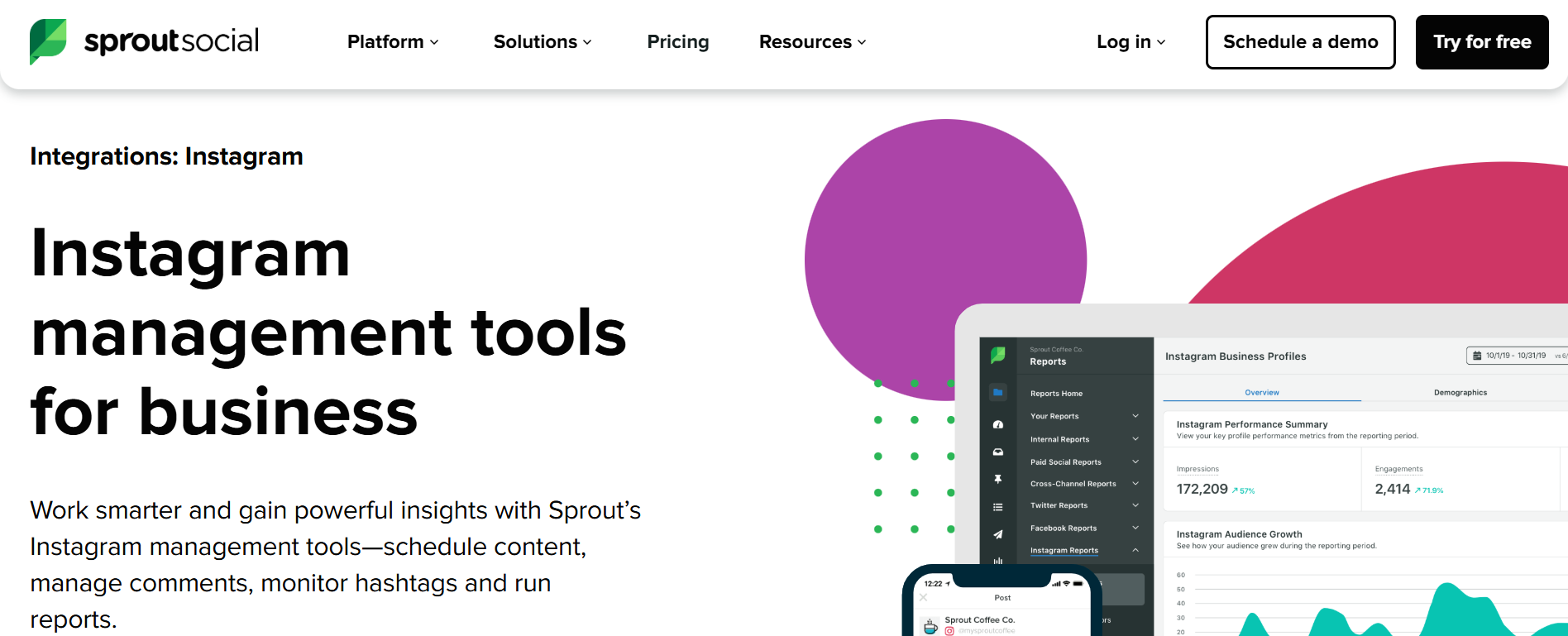
Another social media tool that’s highly recommended for marketers is Sprout Social. It helps with scheduling, monitoring, and analyzing social media performance across different platforms. The tool also offers a social listening feature, allowing marketers to track brand mentions and understand audience sentiment in real time.
Adobe Analytics:
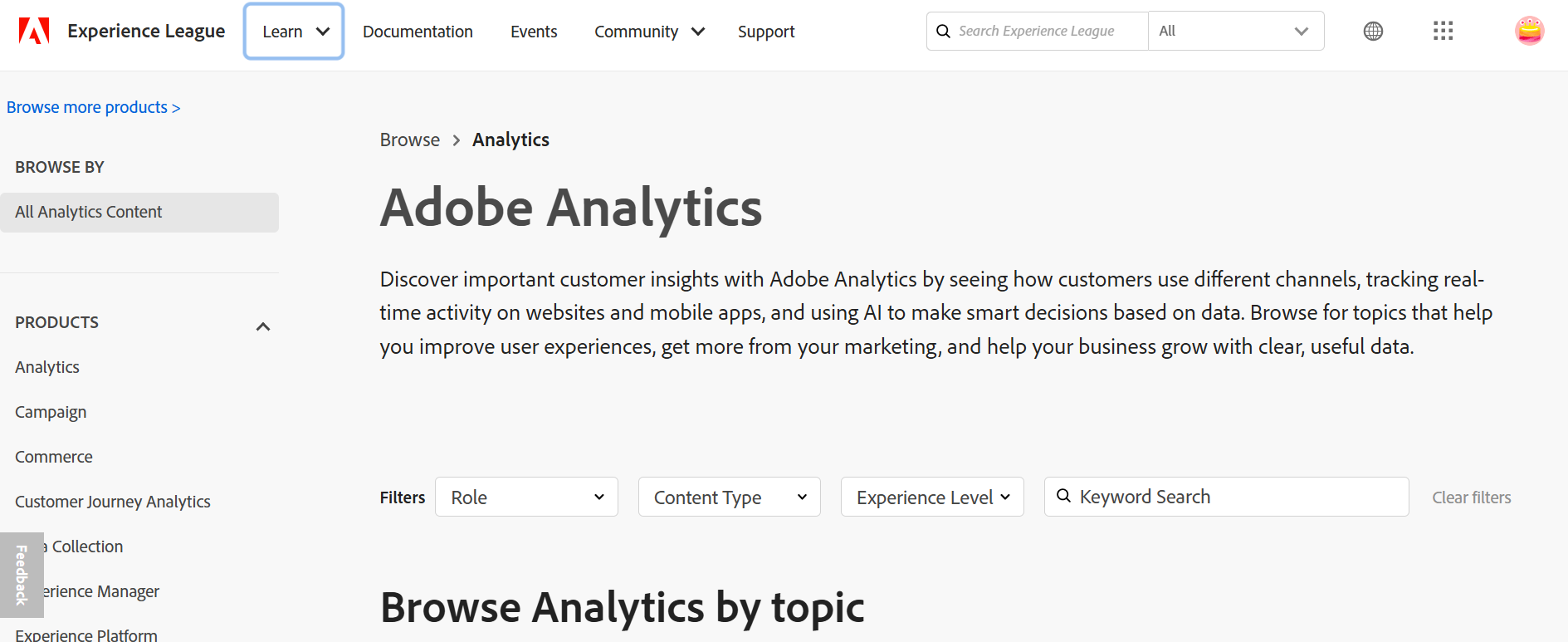
For marketers who need in-depth data analysis, Adobe Analytics is a powerful tool that provides real-time insights into customer behavior. It goes beyond basic web analytics by offering advanced segmentation, data visualization, and predictive analytics features. Adobe Analytics helps businesses make data-driven decisions and optimize the customer experience across digital channels.
Slack:
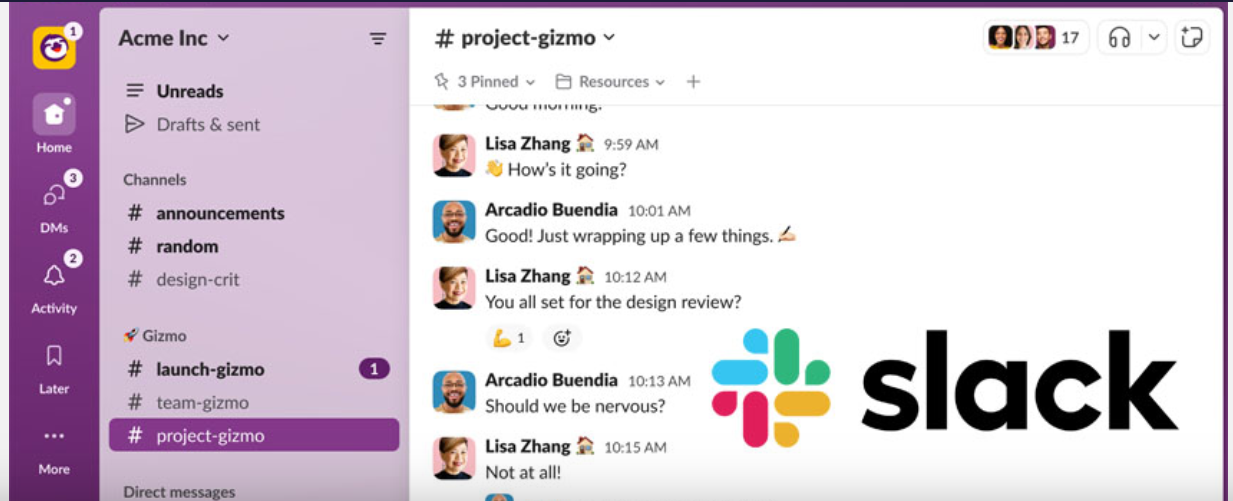
Communication is key when working on digital marketing projects, and Slack is a messaging tool that keeps teams connected. It allows marketers to create channels for different projects, share files, and collaborate in real-time. Slack also integrates with many digital marketing tools, making it easy to streamline communication and improve productivity.
In conclusion,
Digital marketing requires the use of several tools to manage various aspects, like
SEO, social media, email marketing, and data analysis. Learning these tools not only improves
efficiency but also ensures that marketers can execute successful campaigns. Whether you’re
new to the field or an experienced marketer, mastering these digital marketing tools is essential
for staying competitive in today’s digital landscape.